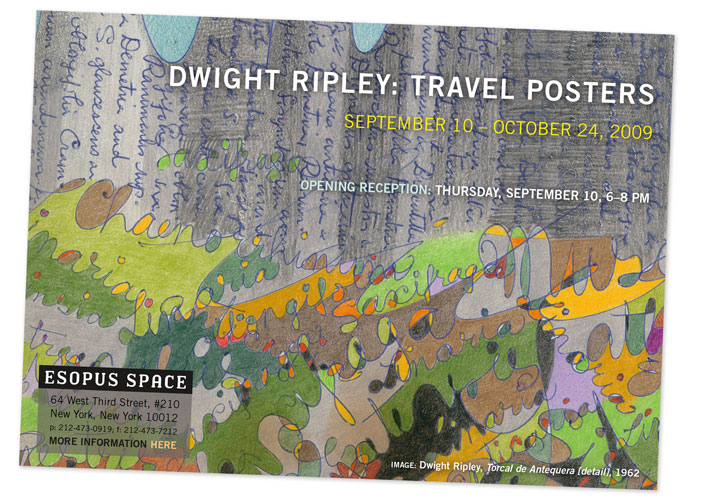
Esopus Space, New York, NY, September 3–October 17, 2009
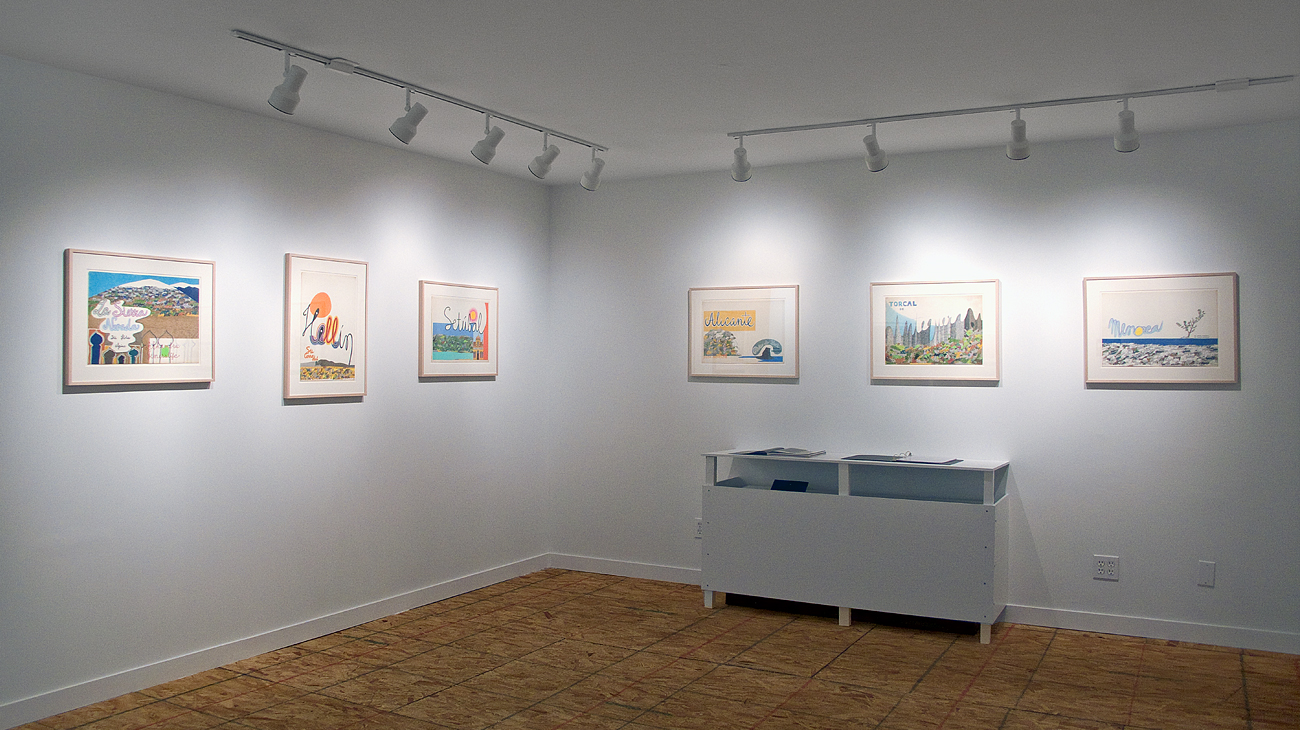
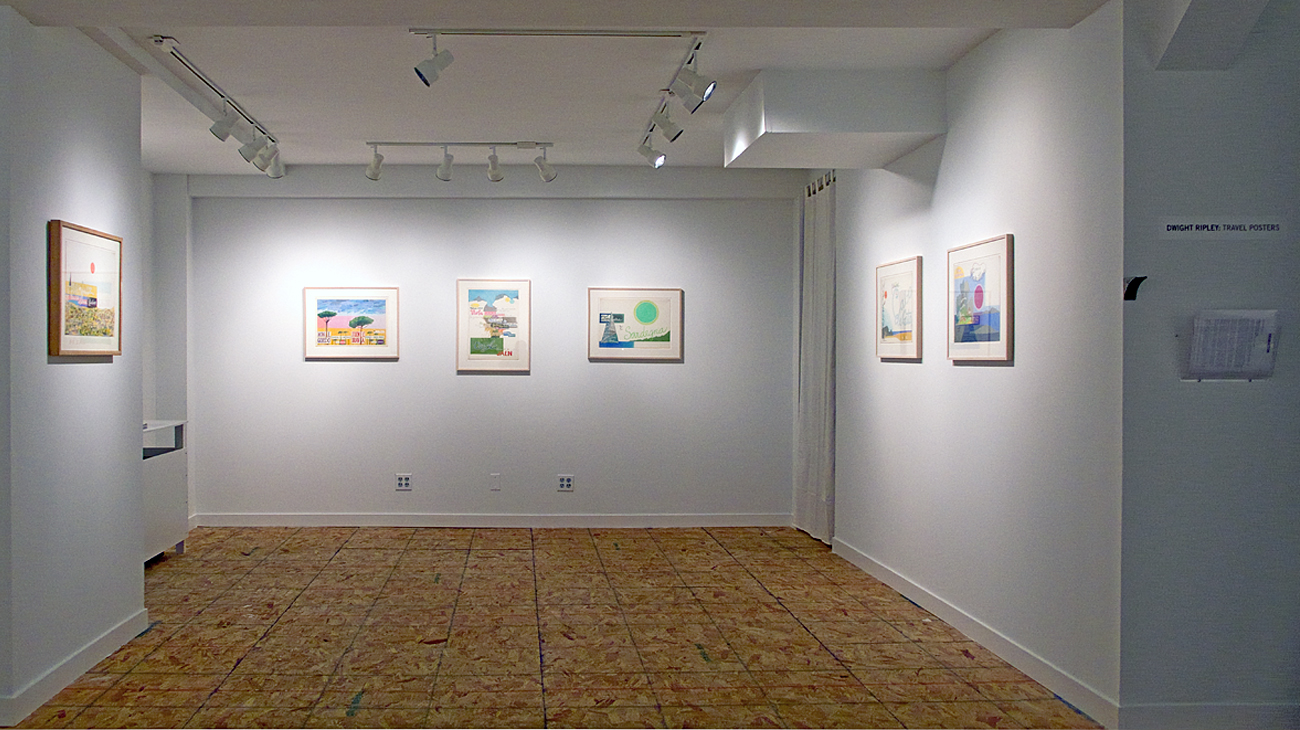
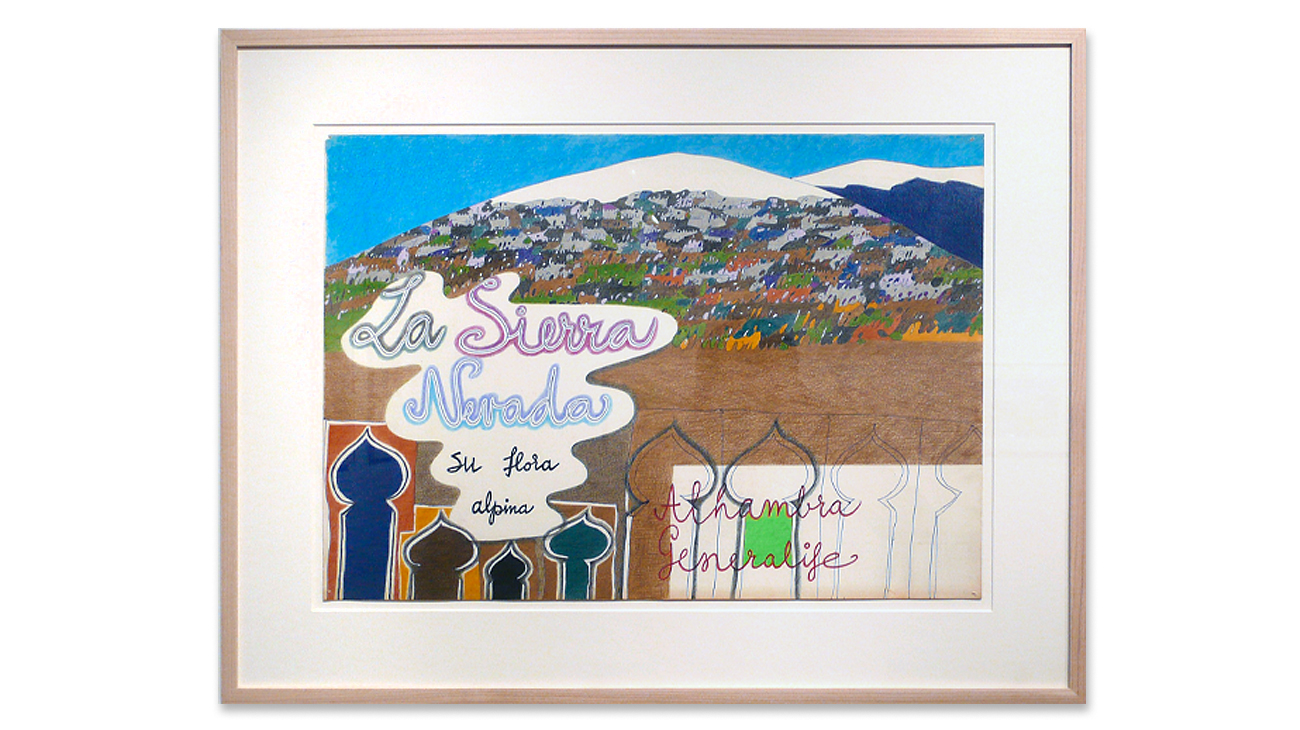
This exhibition featured never-before-exhibited colored-pencil drawings by Dwight Ripley (1908–1973), who was perhaps best-known as the financial backer of Tibor de Nagy Gallery, which debuted the work of painters Helen Frankenthaler, Larry Rivers, Alfred Leslie, and many others in the 1950s and ’60s. Ripley and his partner, the botanist Rupert Barneby (1911–2000), were part of a social circle in post–World War II New York that included Peggy Guggenheim, Cyril and Jean Connolly, Clement Greenberg, and Marie Mencken. Ripley gained a degree of notice in this period for both his poetry and artwork—a chapbook of poems, Spring Catalogue, was published in 1952, and De Nagy mounted four well-received shows of his drawings in the ’50s and ’60s.
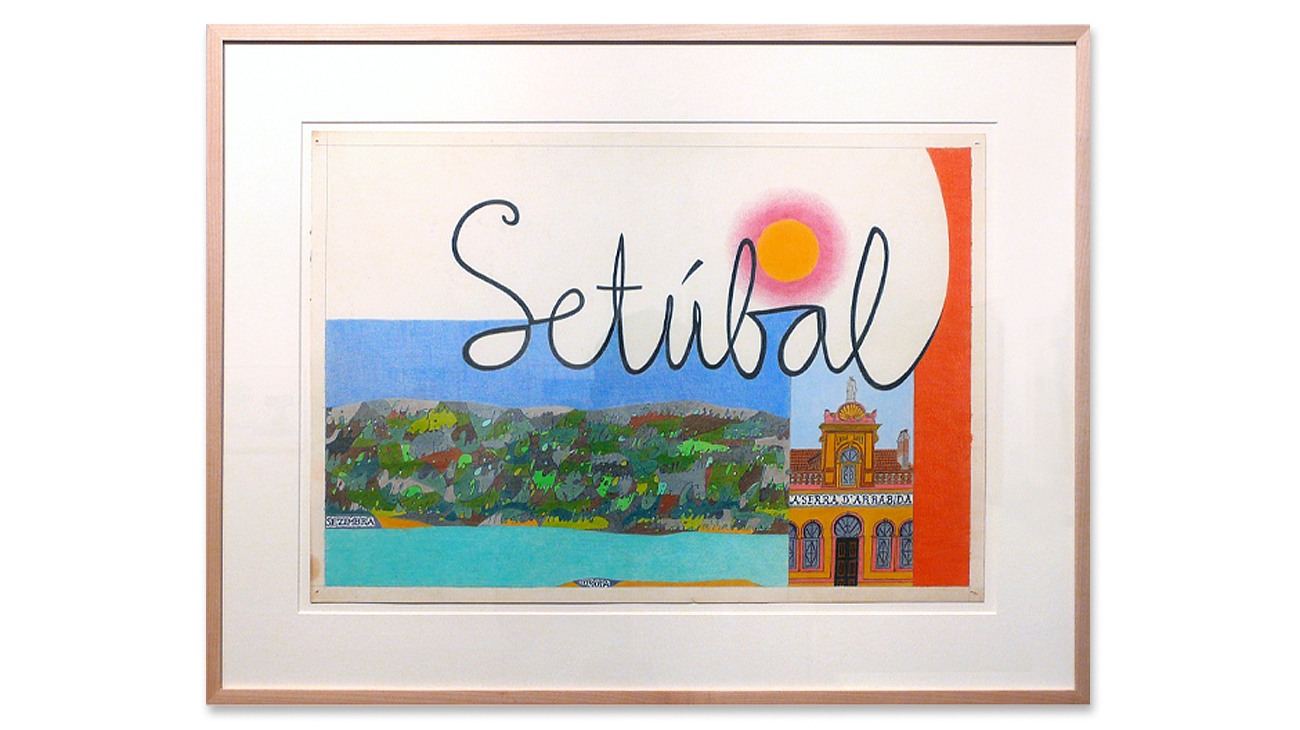
Perhaps Ripley’s greatest passion—one that he shared with Barneby throughout their 48 years together—was the study of rare and exotic plants. The couple traveled the world seeking out unusual botanical specimens (they are credited with discovering 74 new plant species), many of which they would bring back to the gardens and greenhouse of their farm in Wappingers Falls, New York. A trip to Spain and Portugal in March 1962 served as the inspiration for the Travel Posters series. Each drawing depicts a particular location on the couple’s itinerary (stops included Aranjuez, Torcal de Antequera, and the Sierra Nevada). In elegant, overlapping longhand, Ripley inscribes each landscape with the scientific names of plant species indigenous to its particular location. Underscoring the artist’s mesmerizing mastery of line and color is a knowing, even playful nod to Surrealism and abstract art. Ripley never showed the drawings, and they remained out of the public eye until a selection of them was featured in Esopus 11 in 2008, along with an essay by Douglas Crase.
An opening reception for the exhibition took place on September 10, 2009.