Esopus
Published by The Esopus Foundation Ltd. (2003–2018). Format: Perfect-bound magazine, 9 x 11.5 inches.
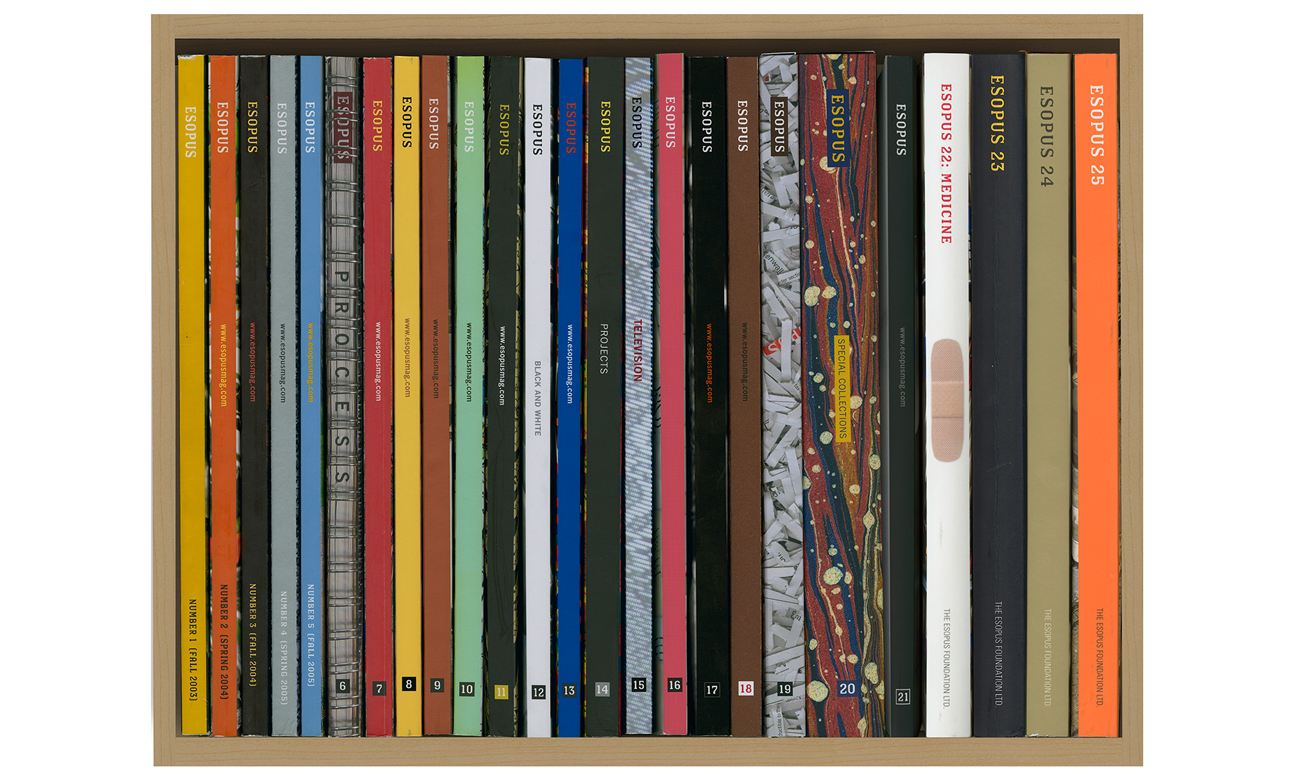
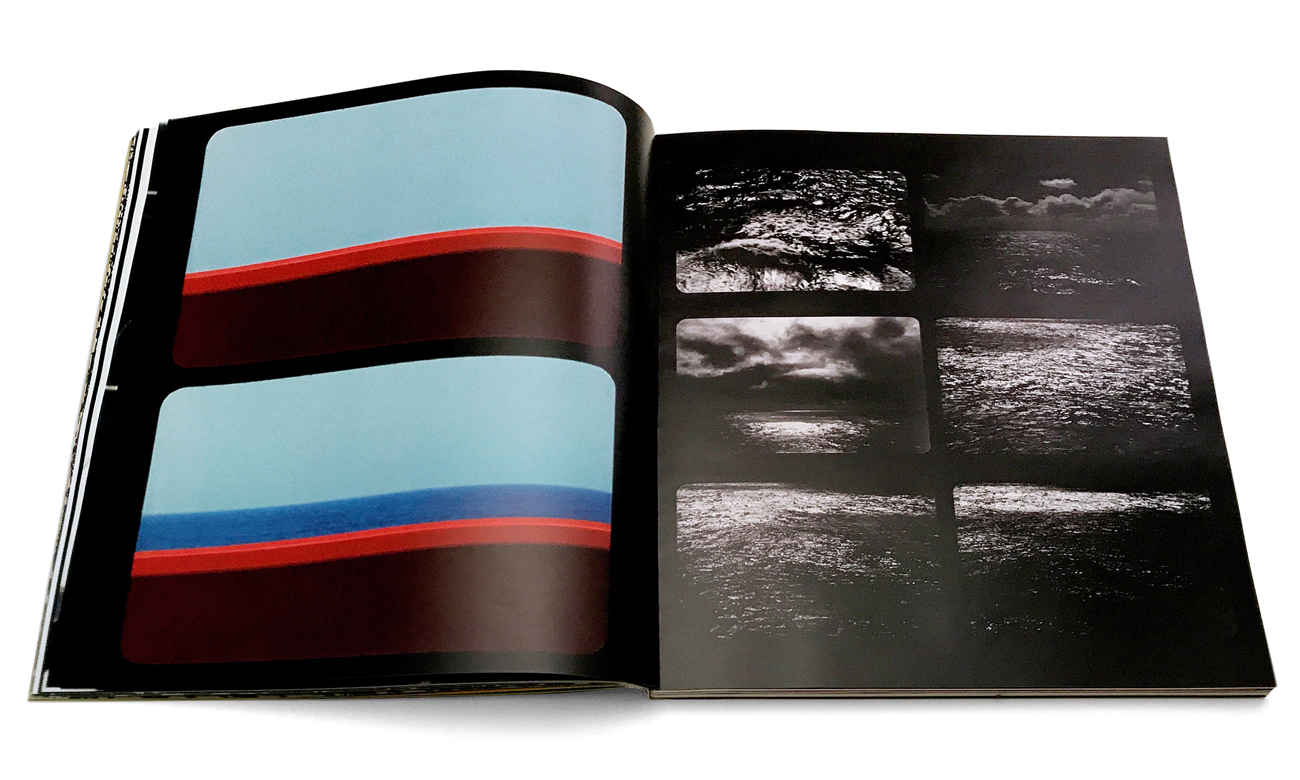
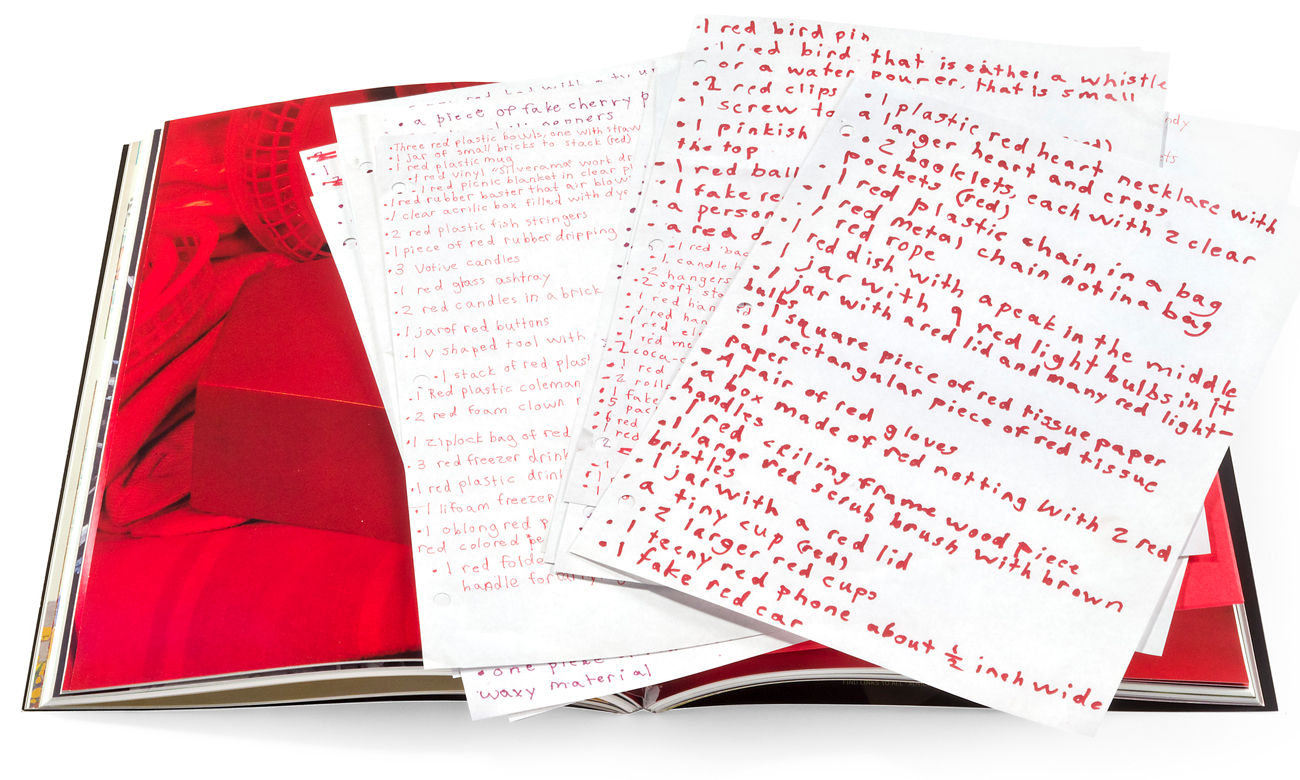
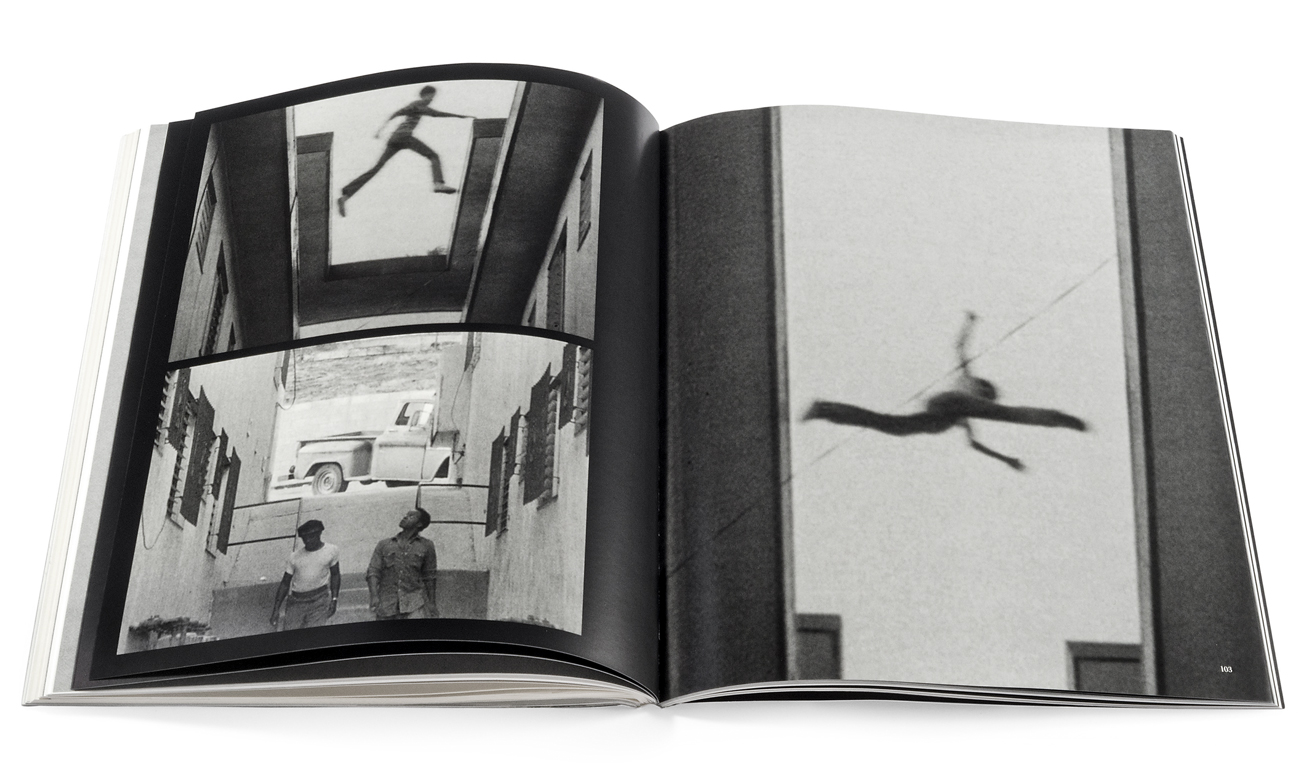
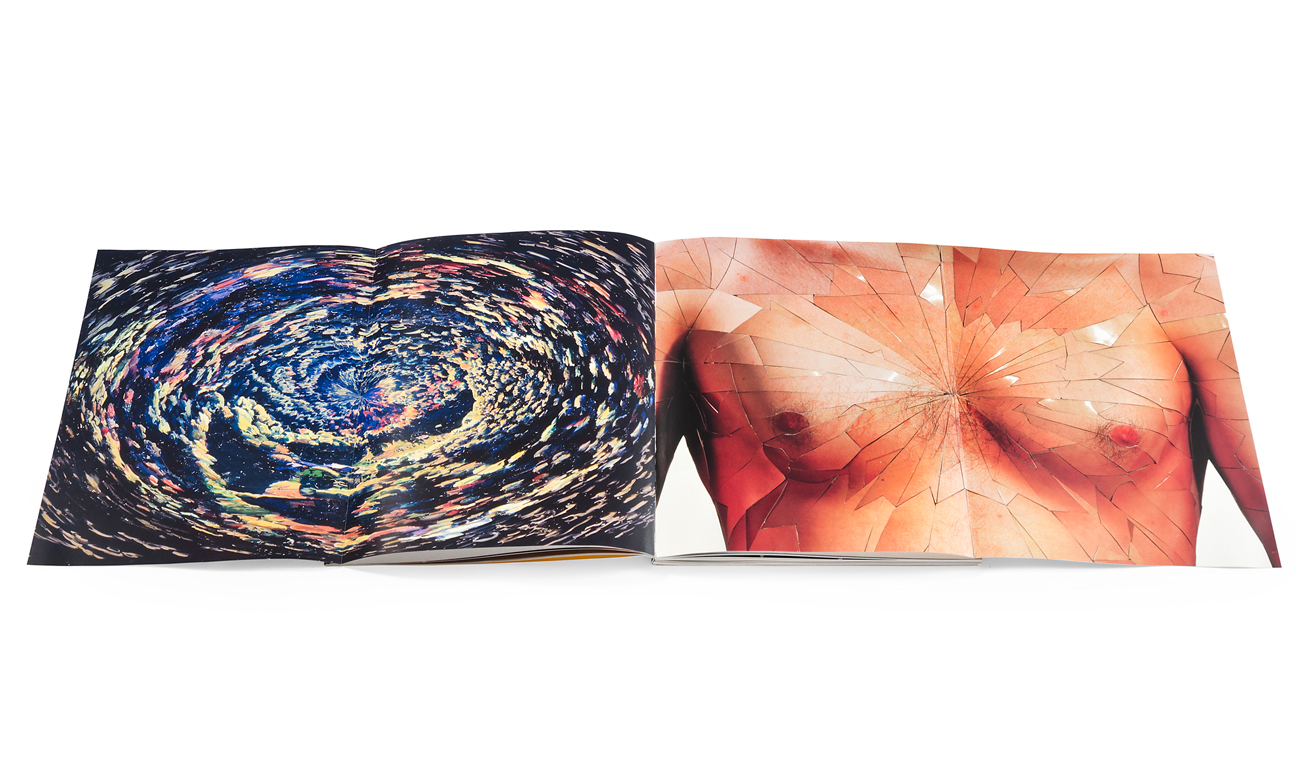
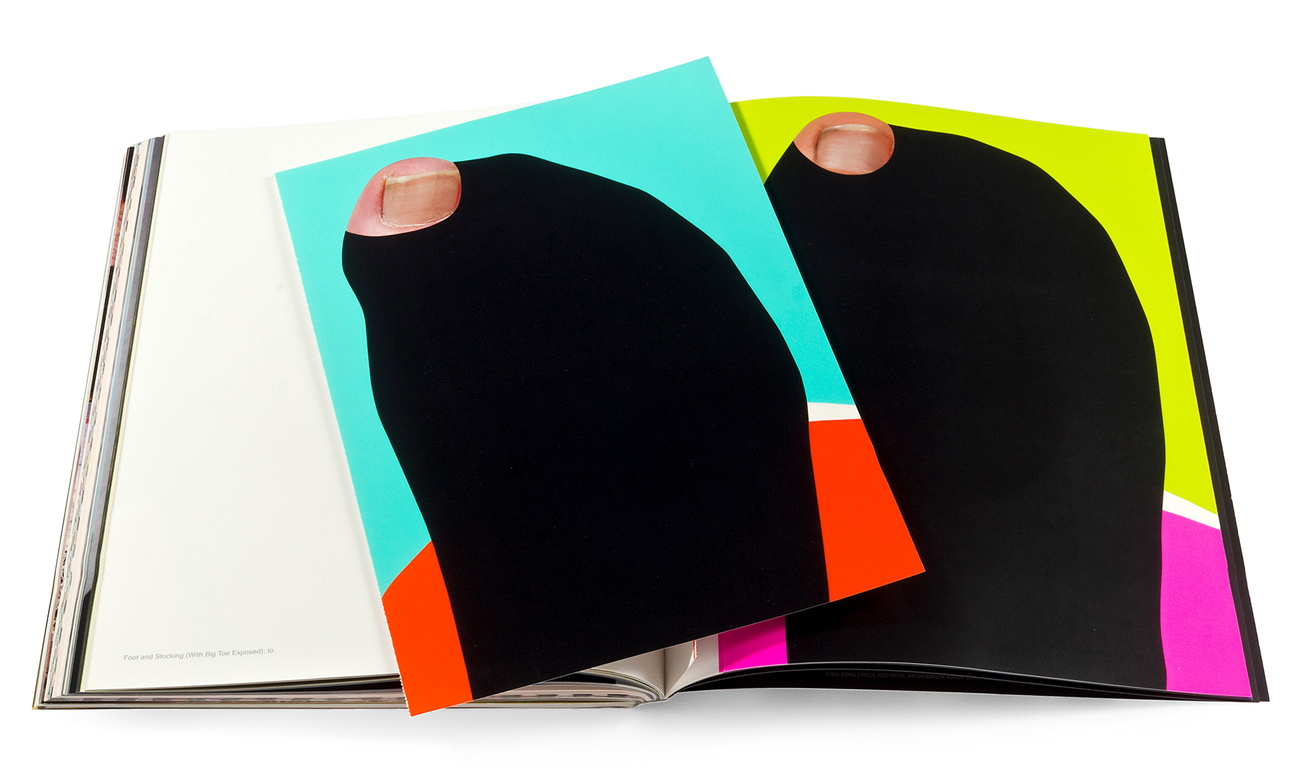
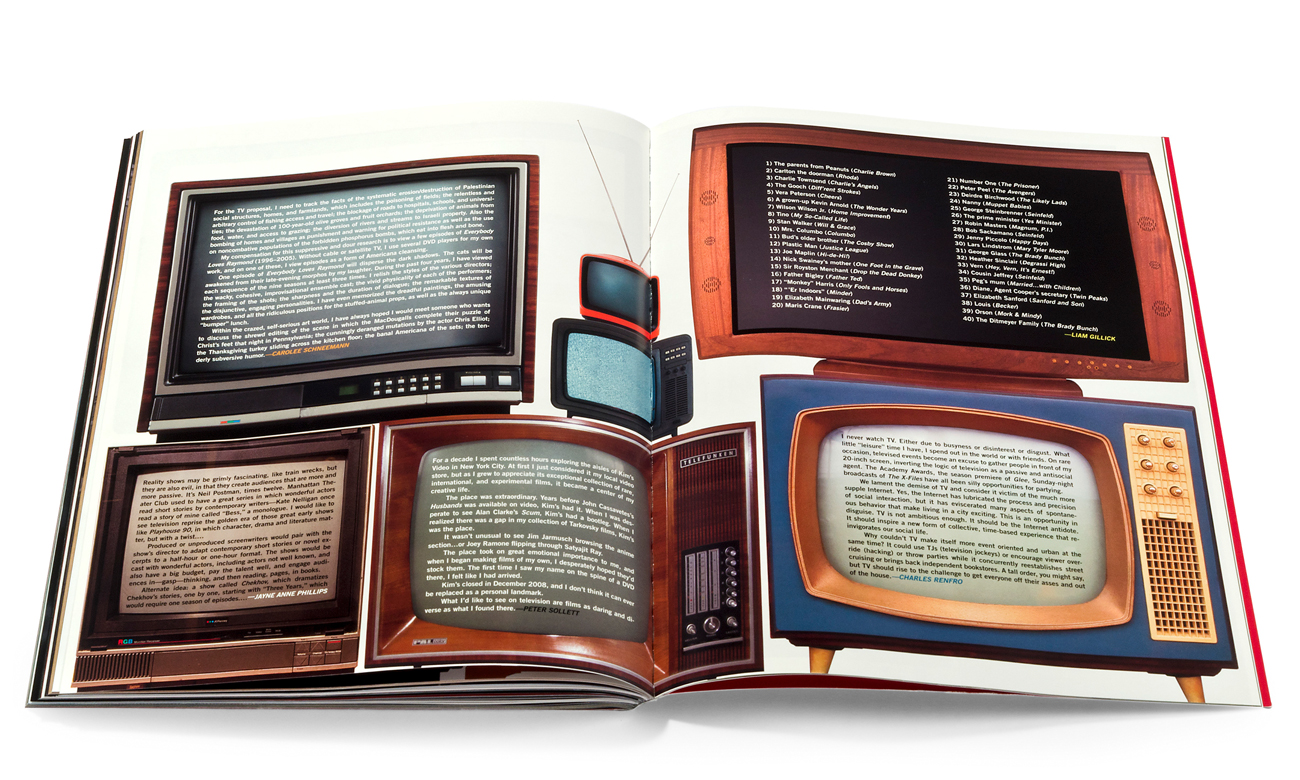
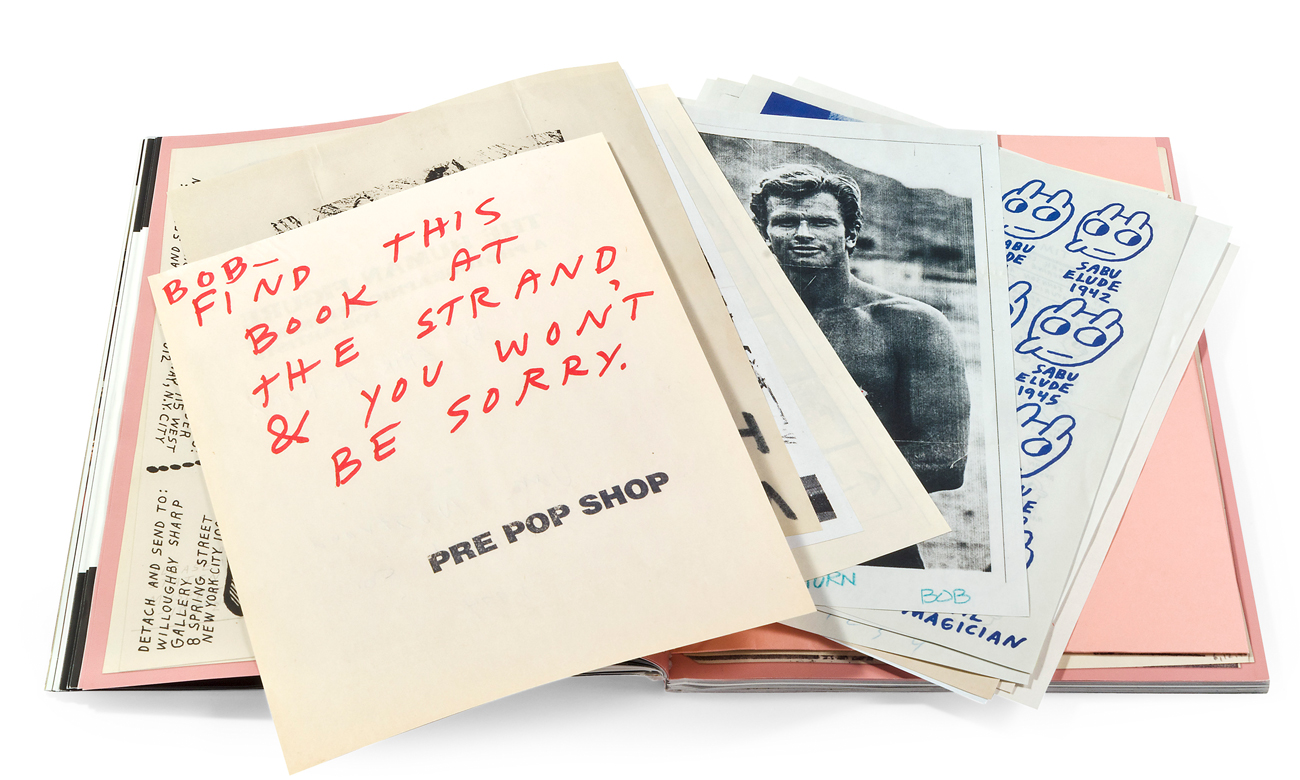
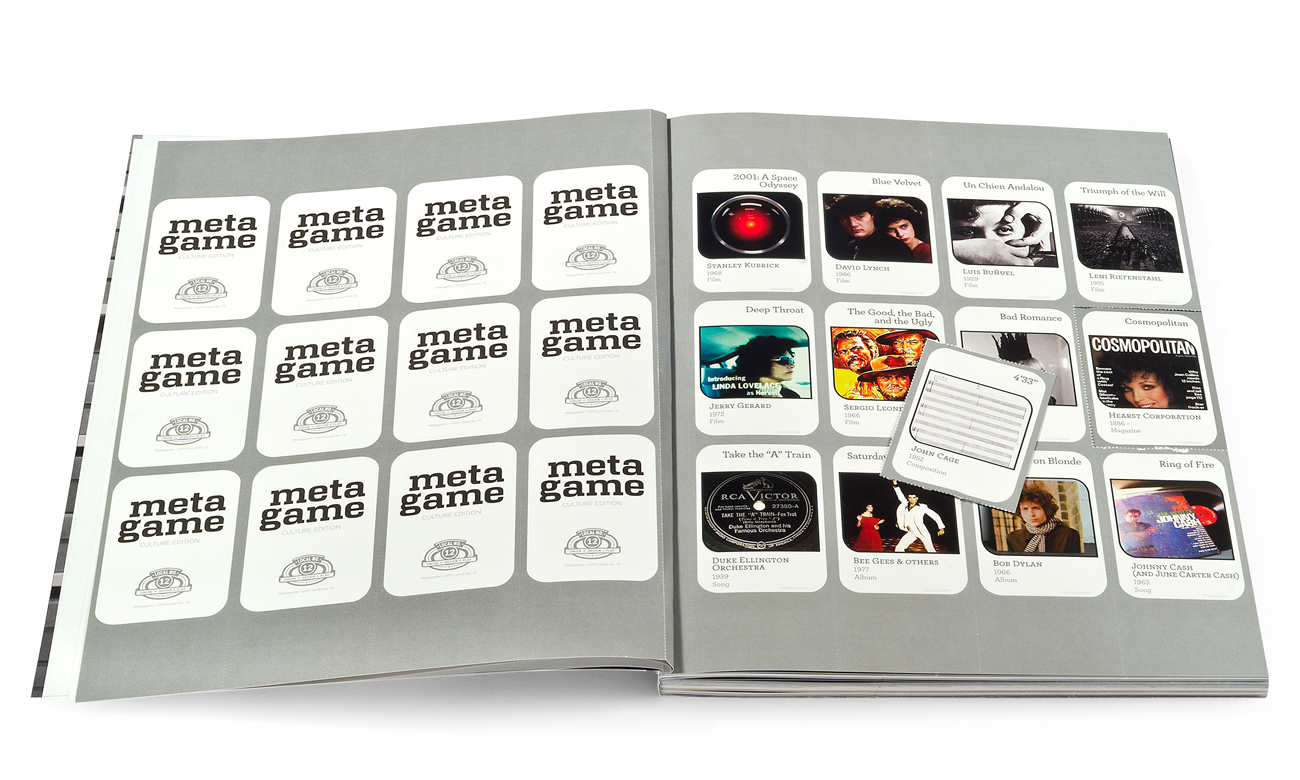
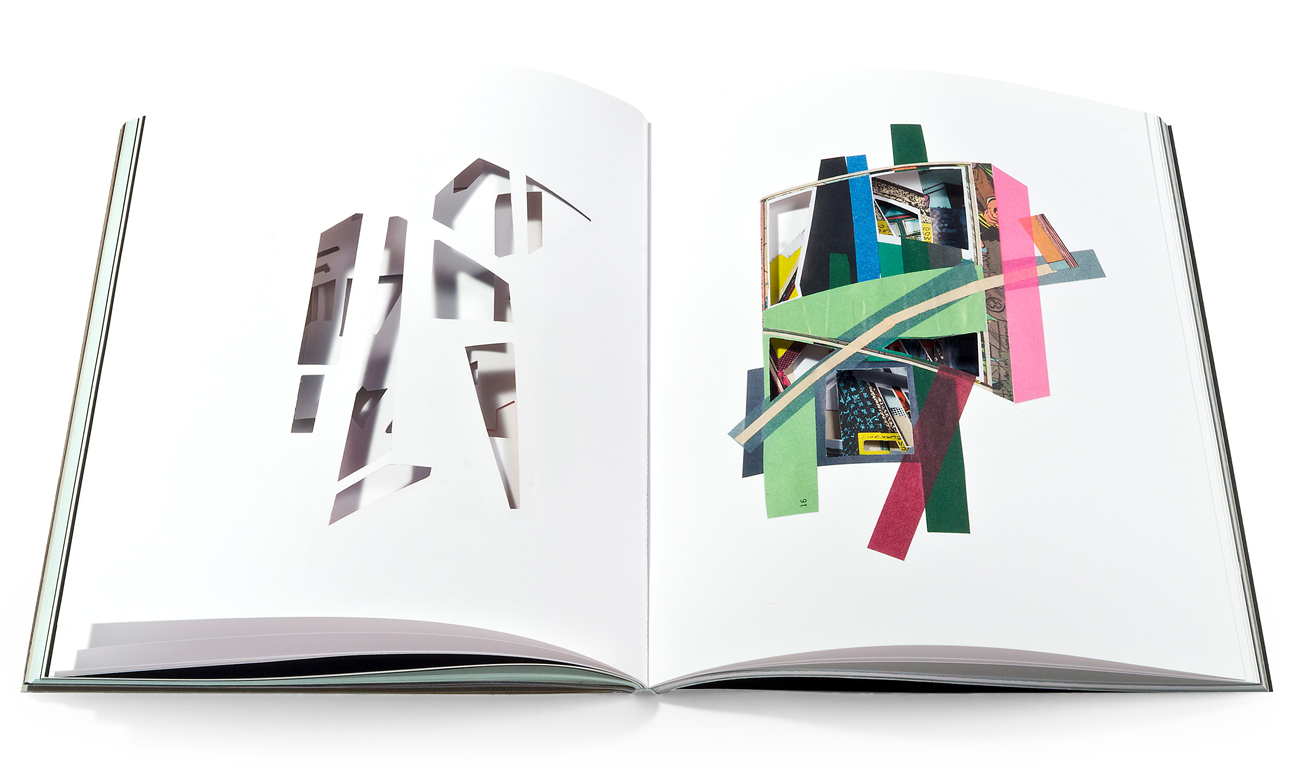
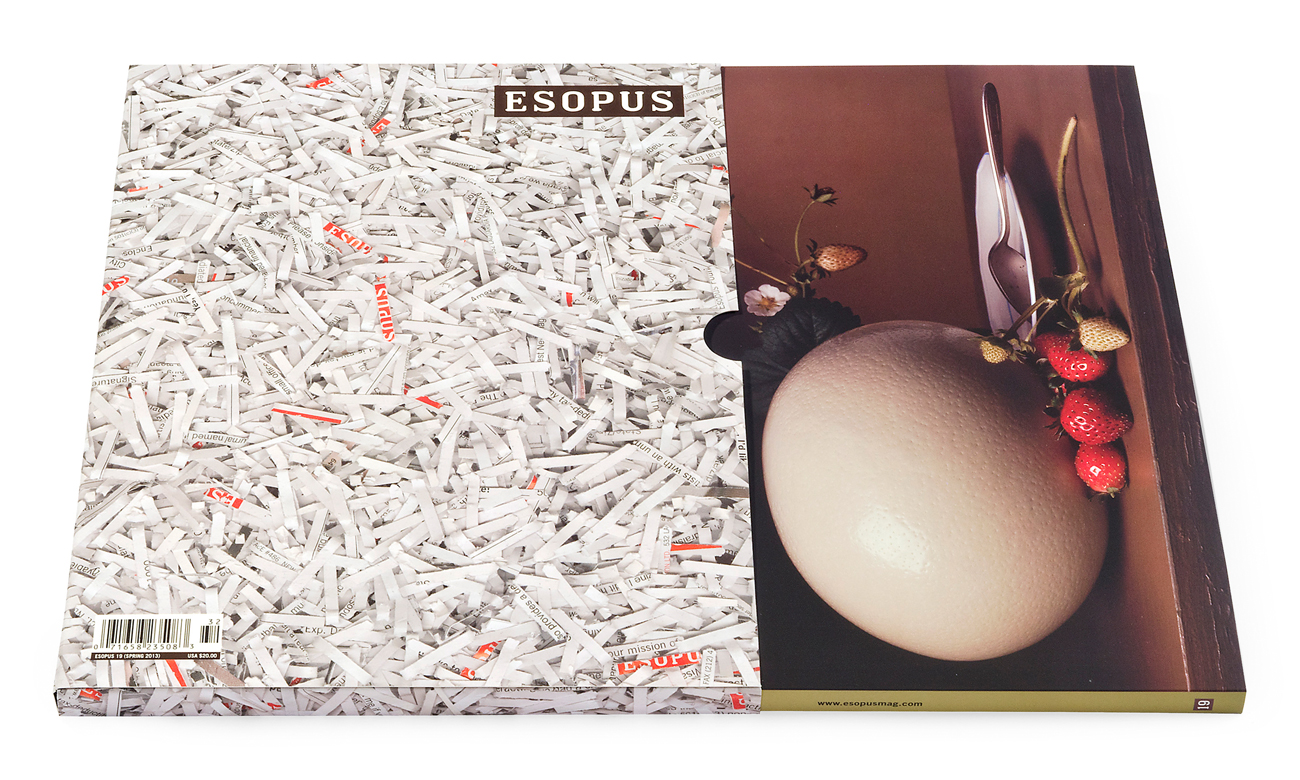
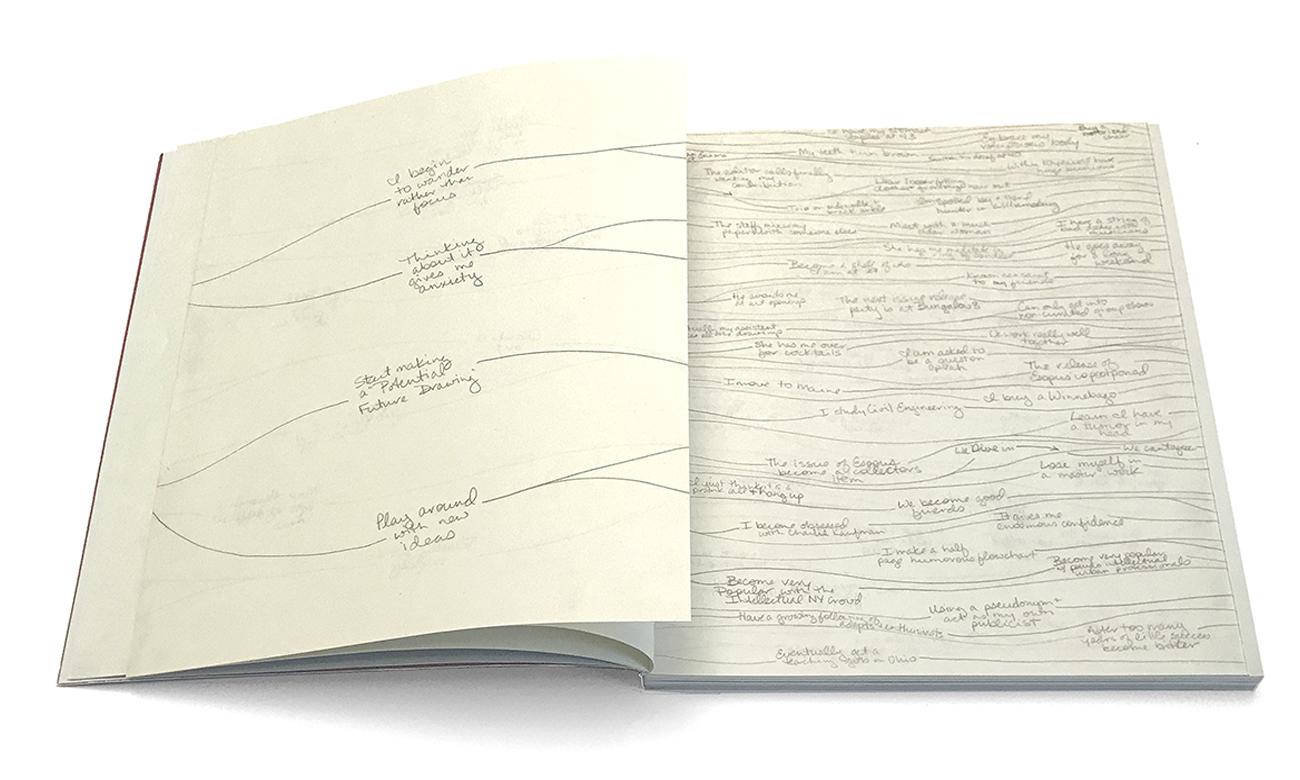
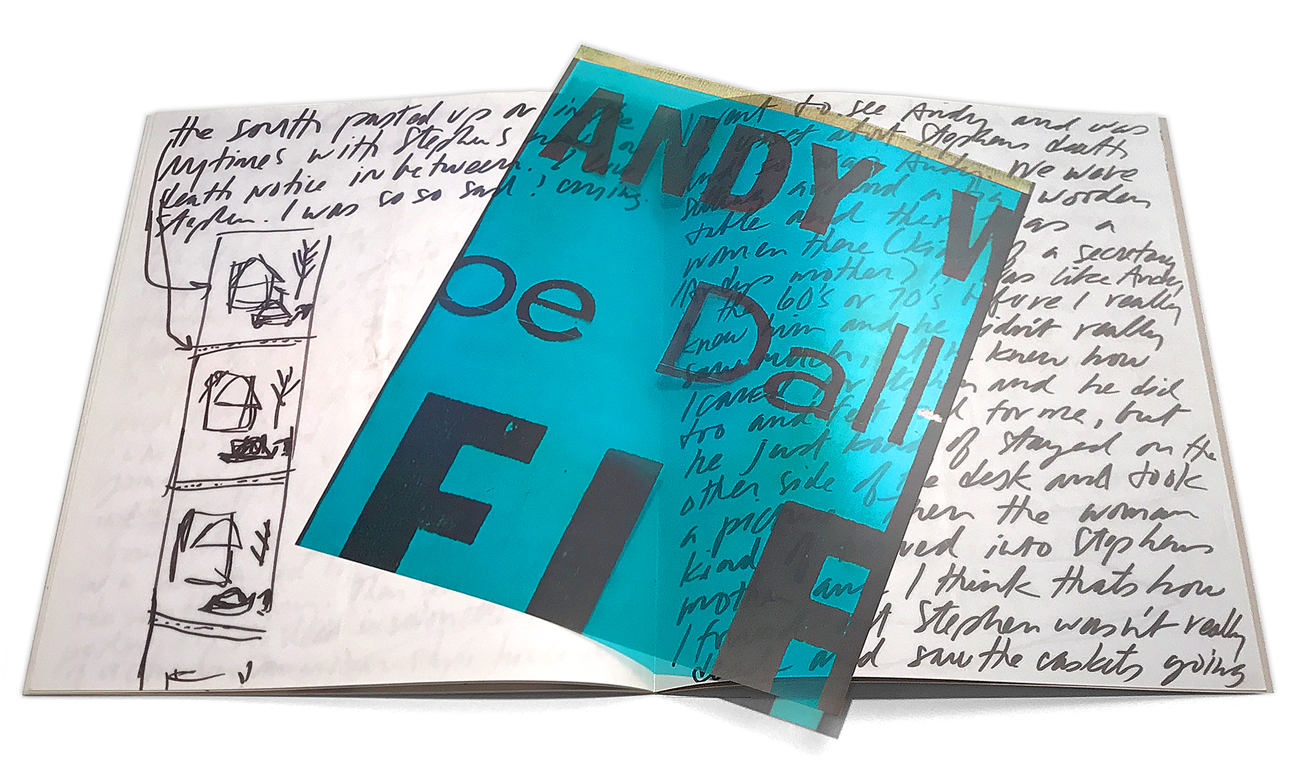
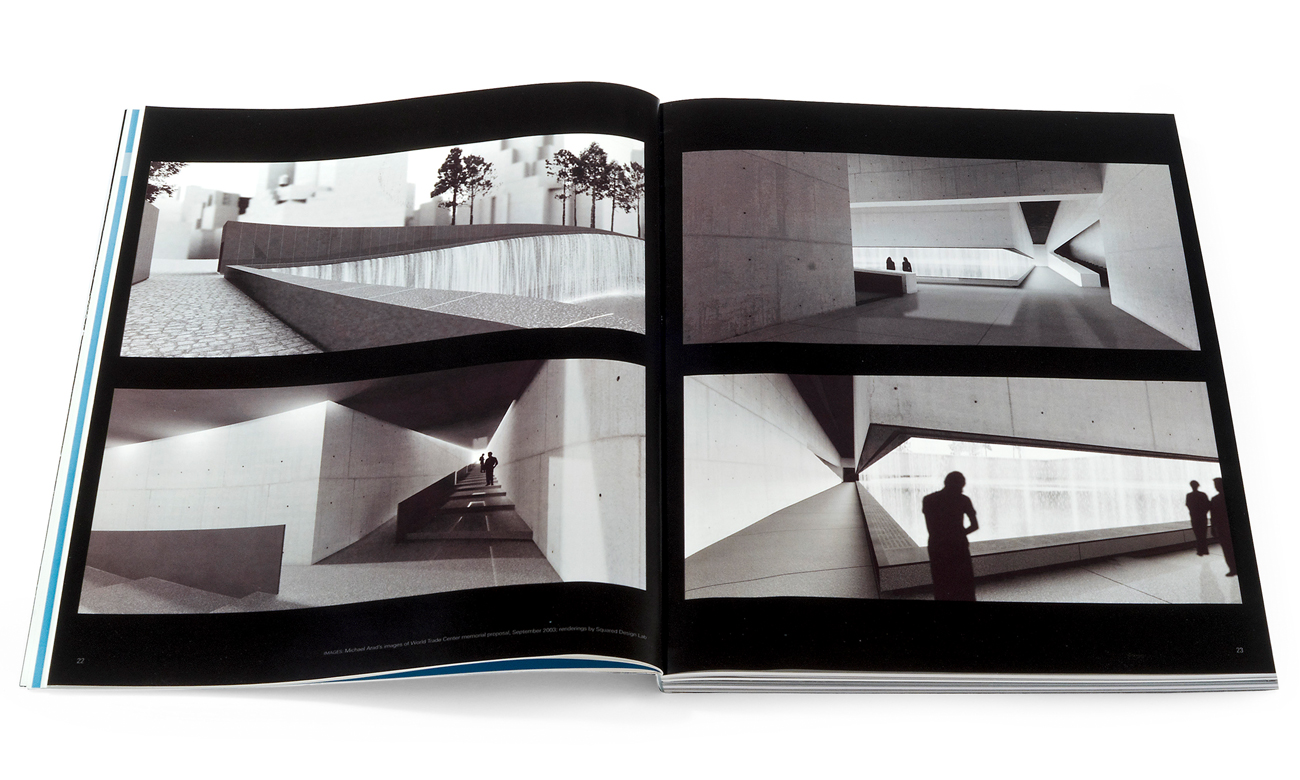
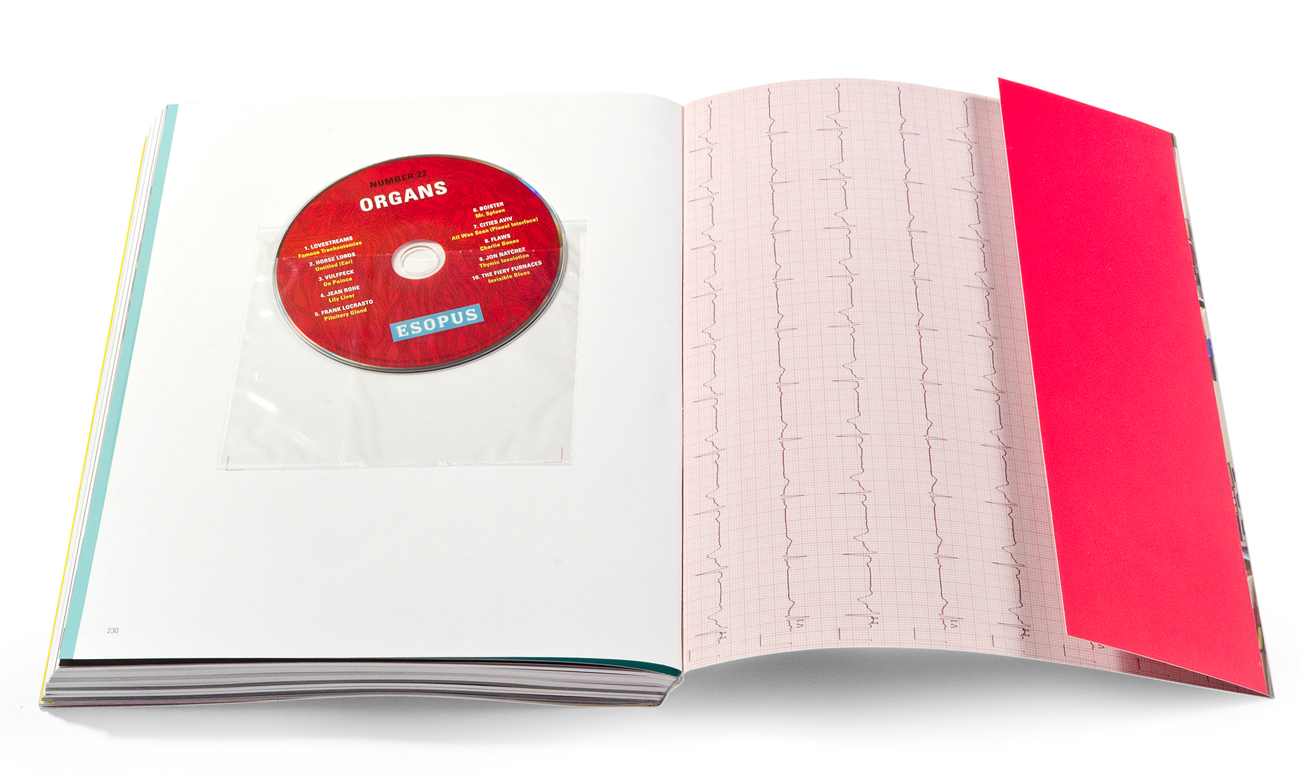
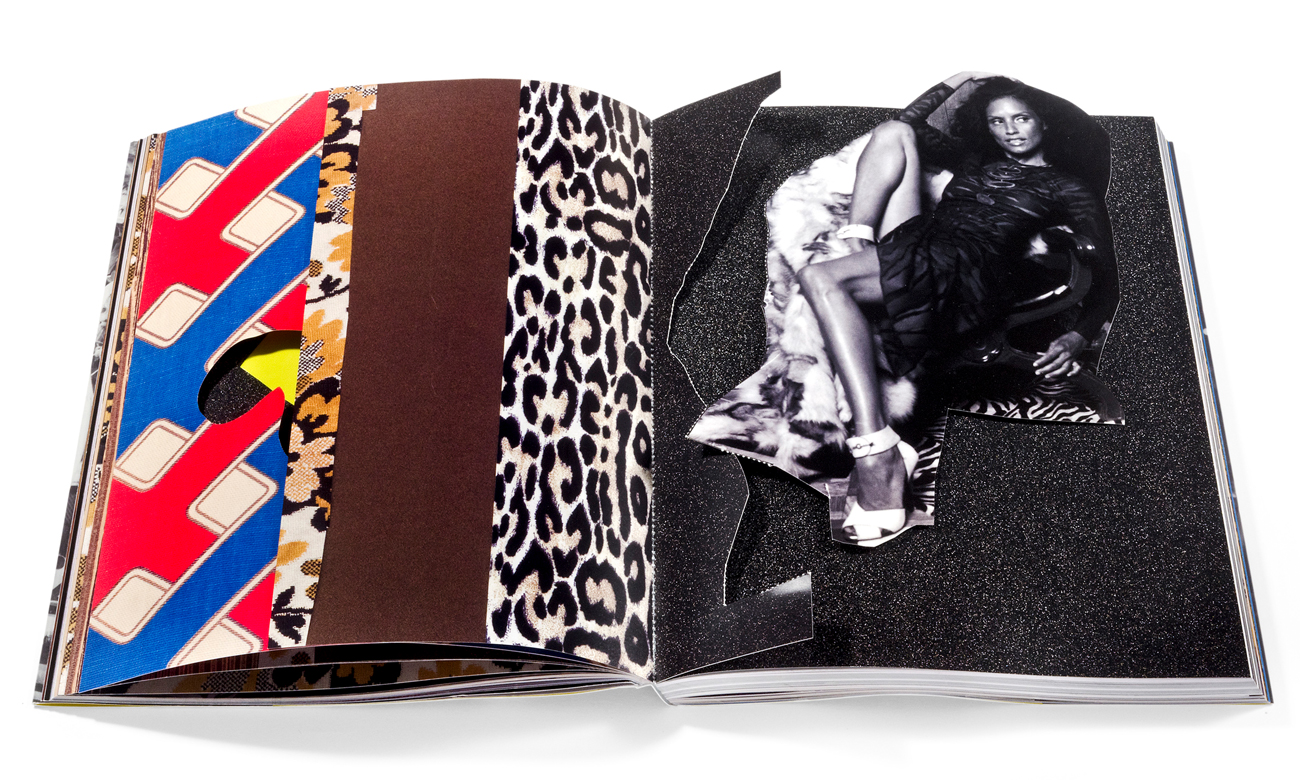
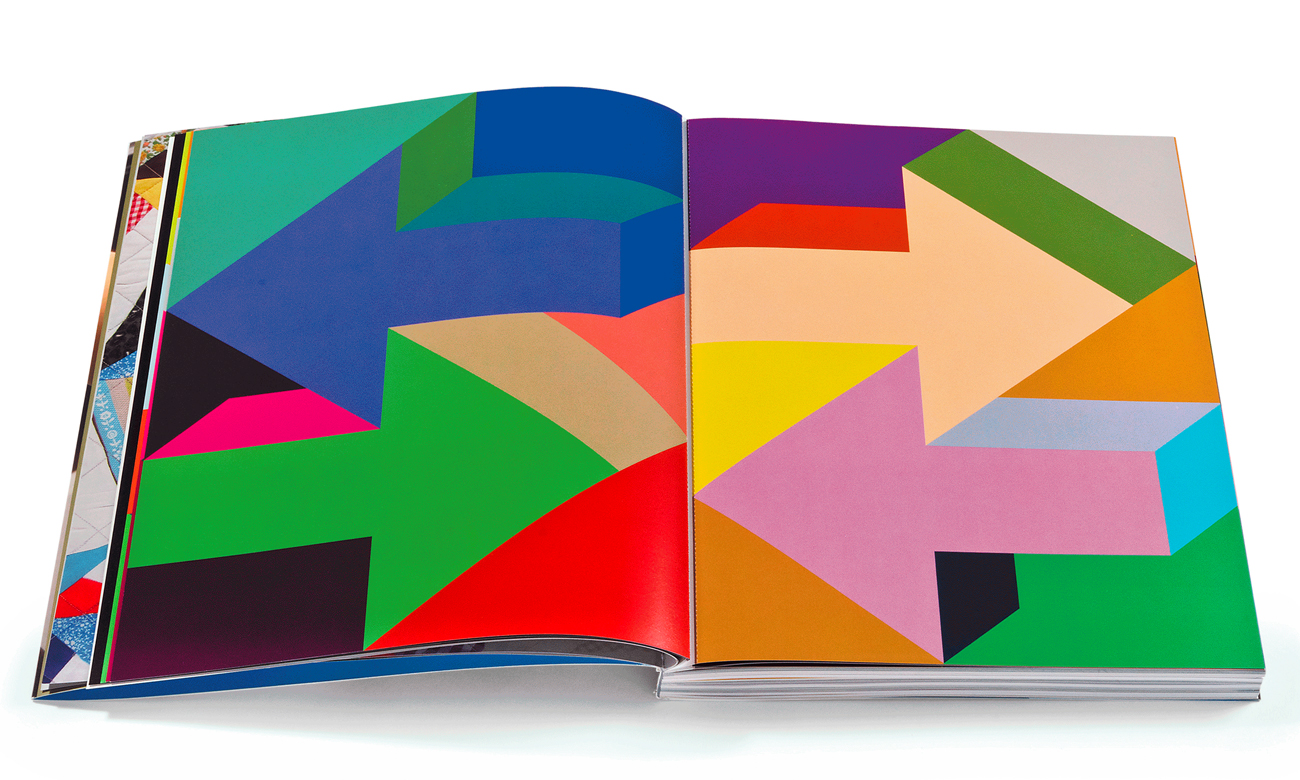
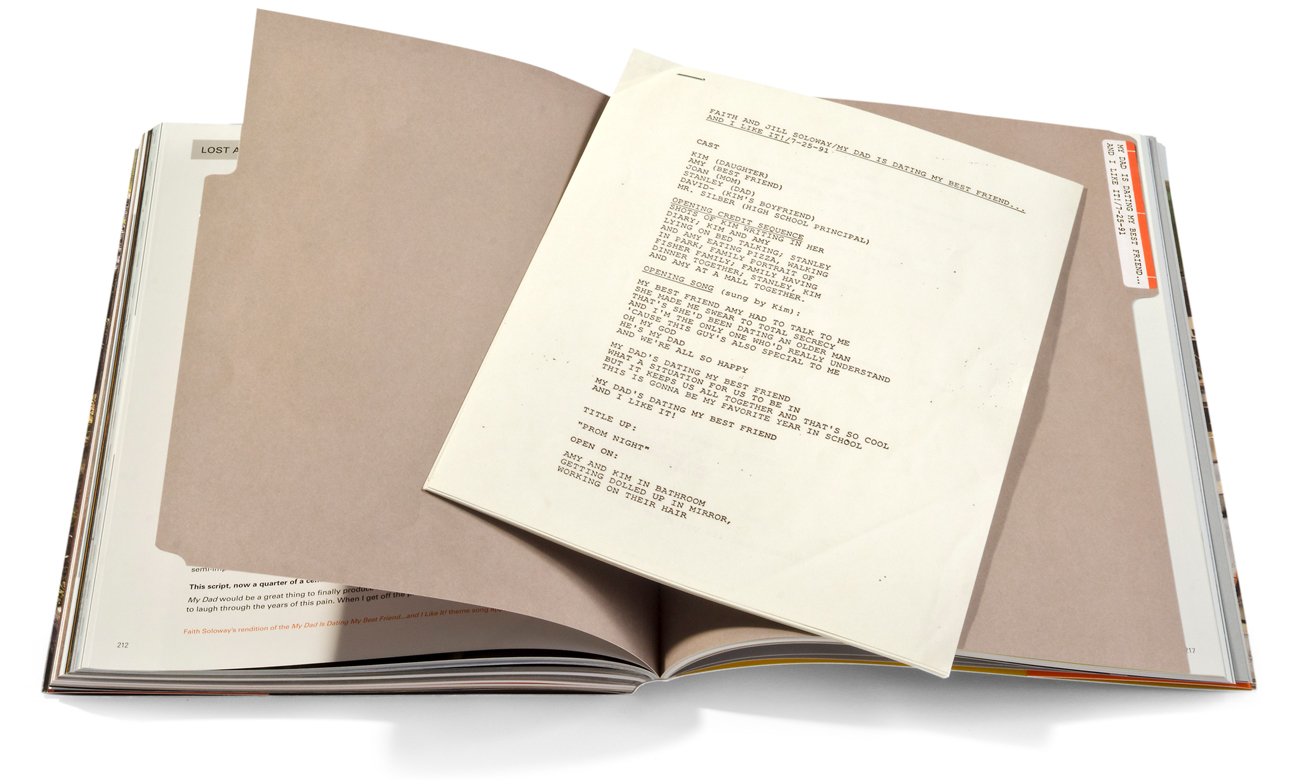
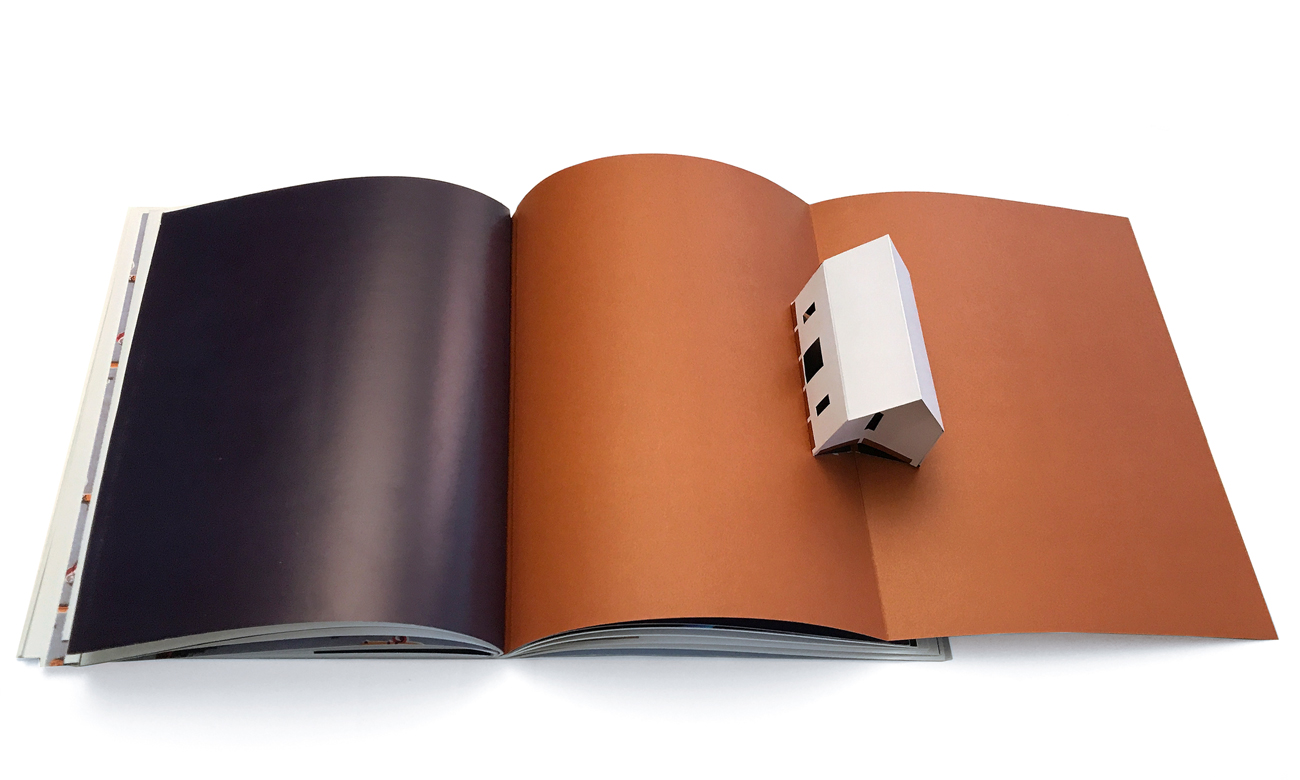
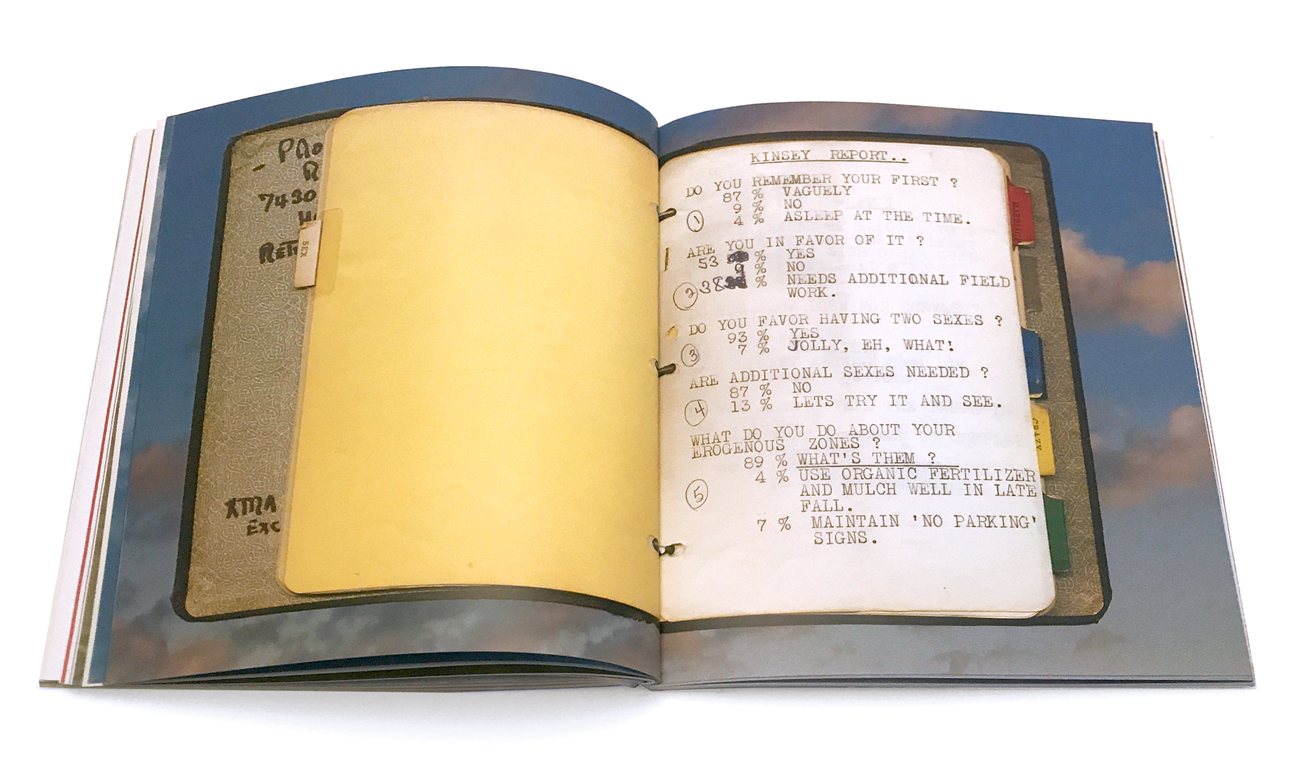
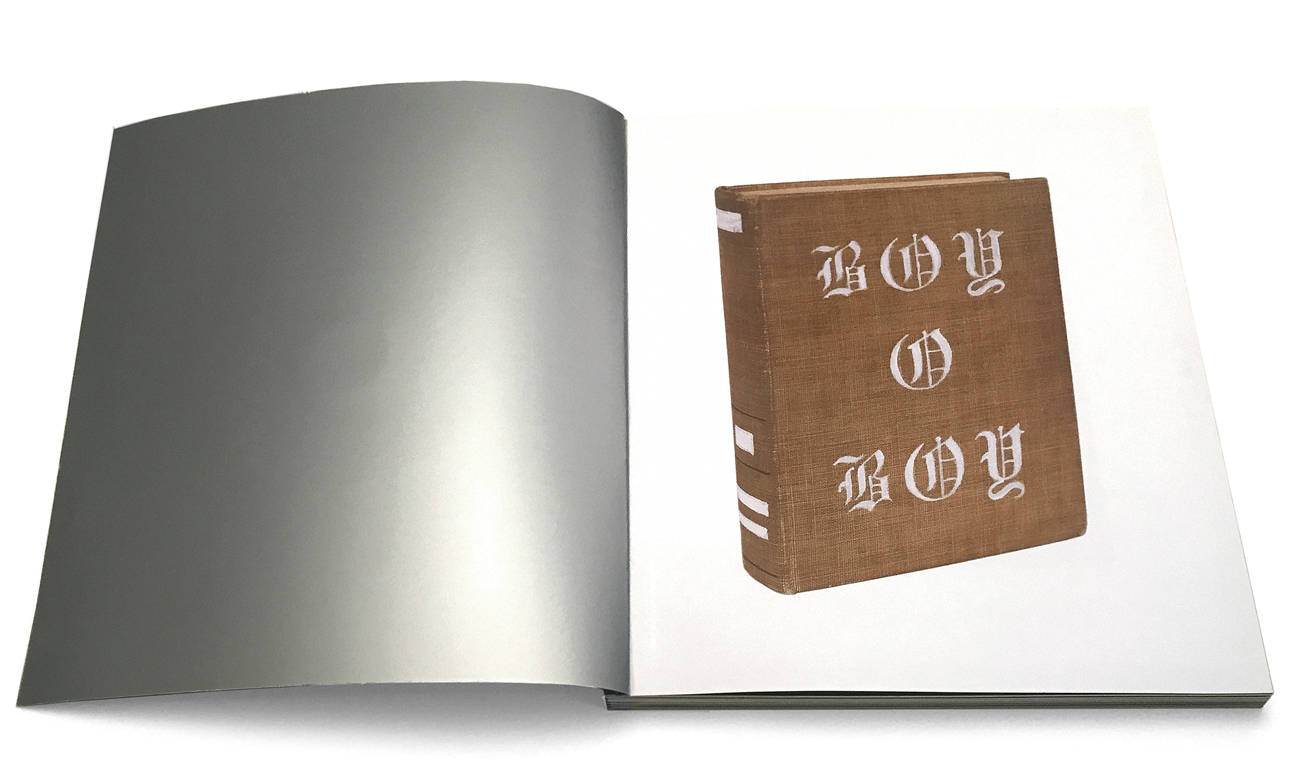
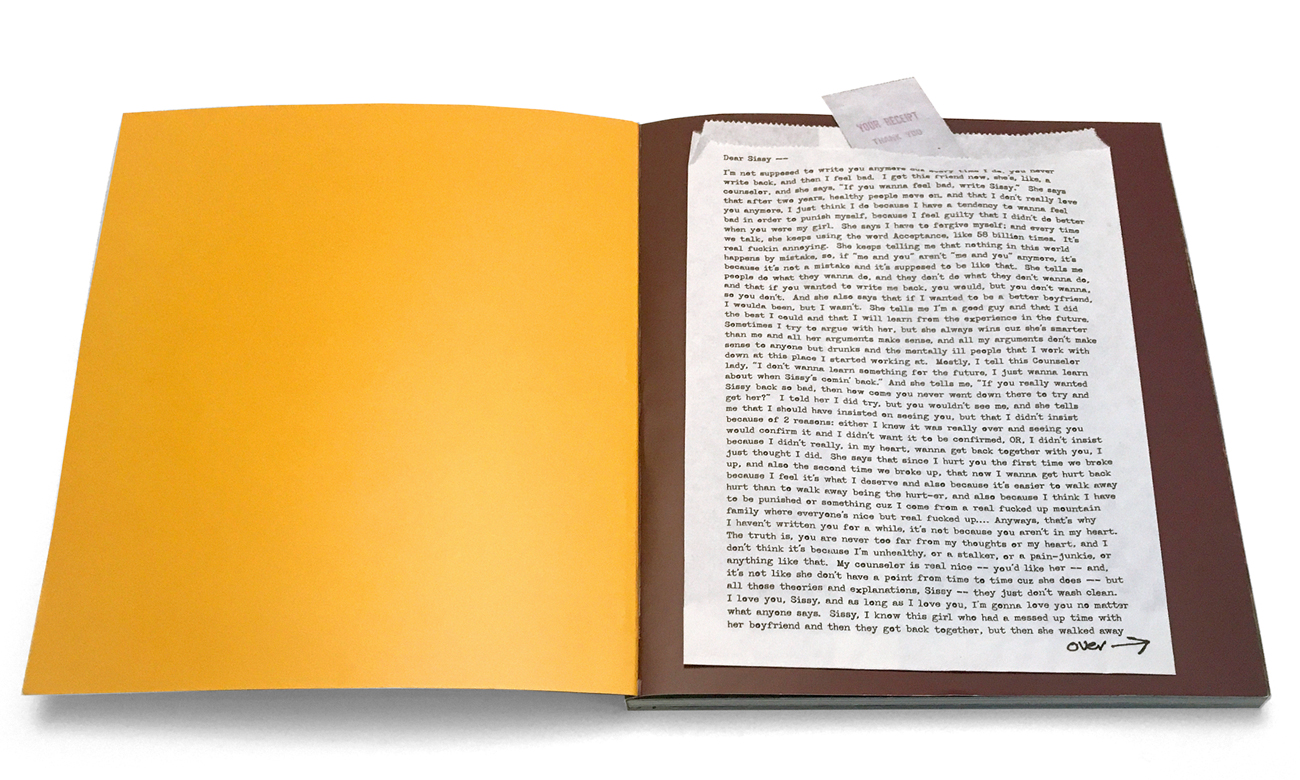
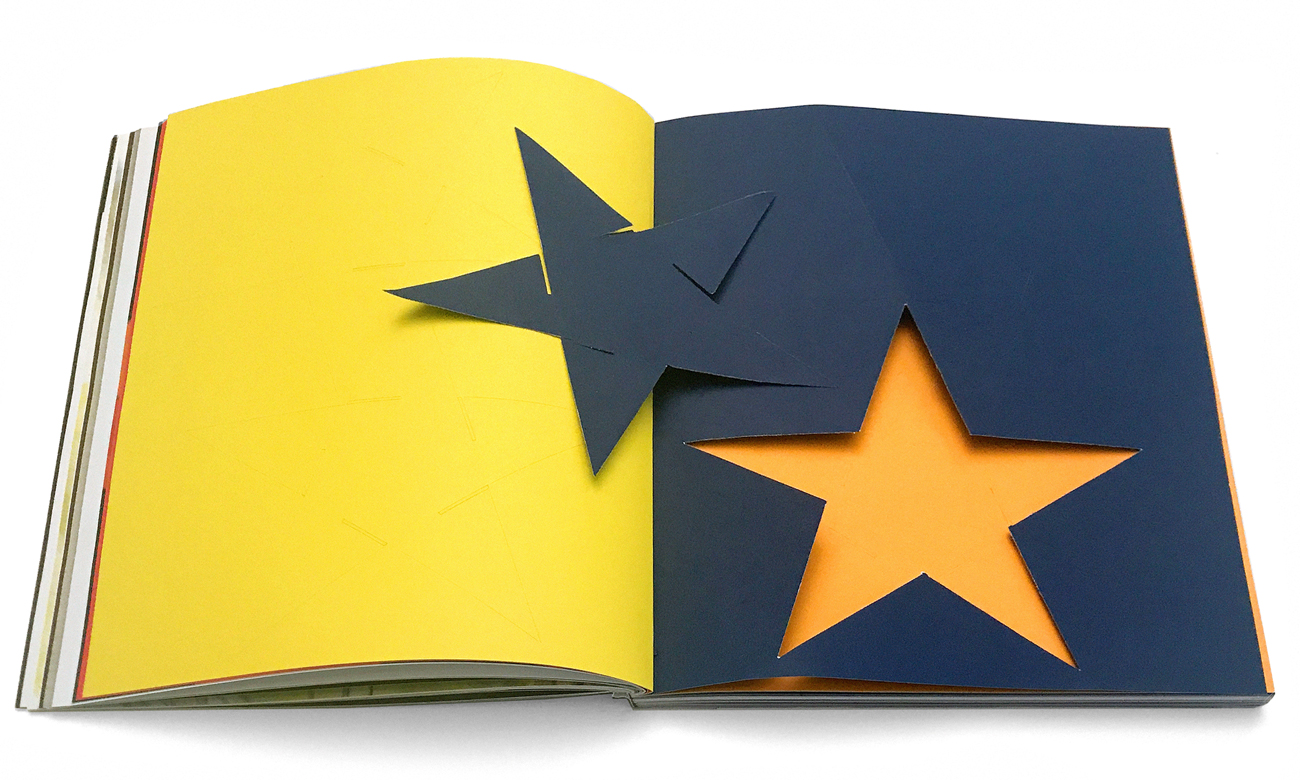
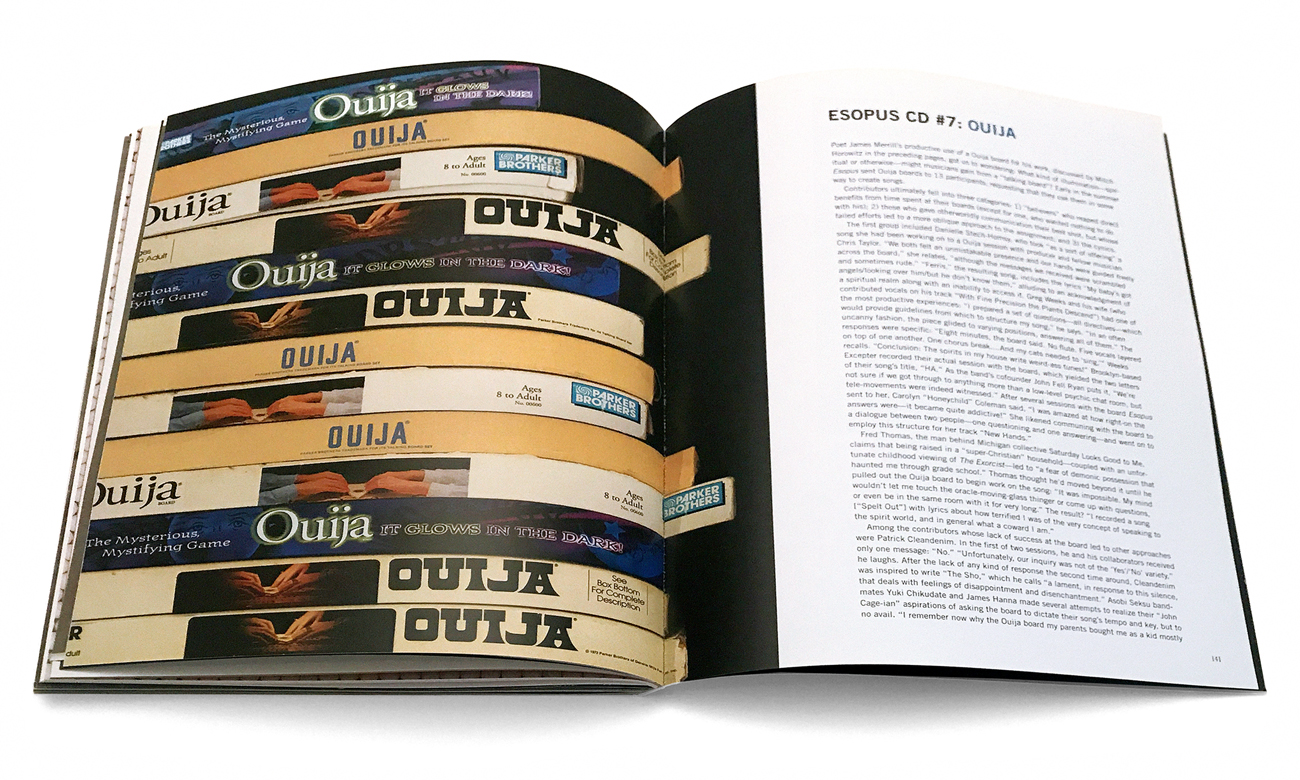
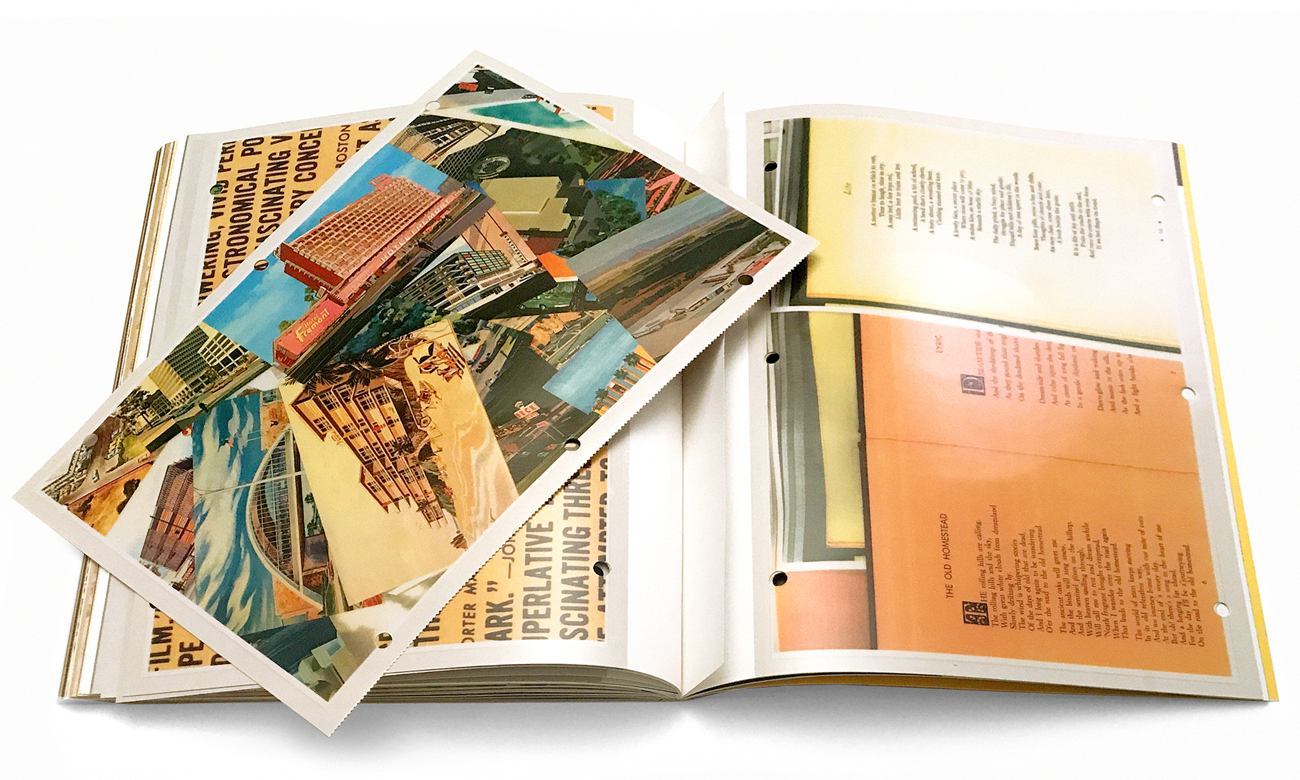
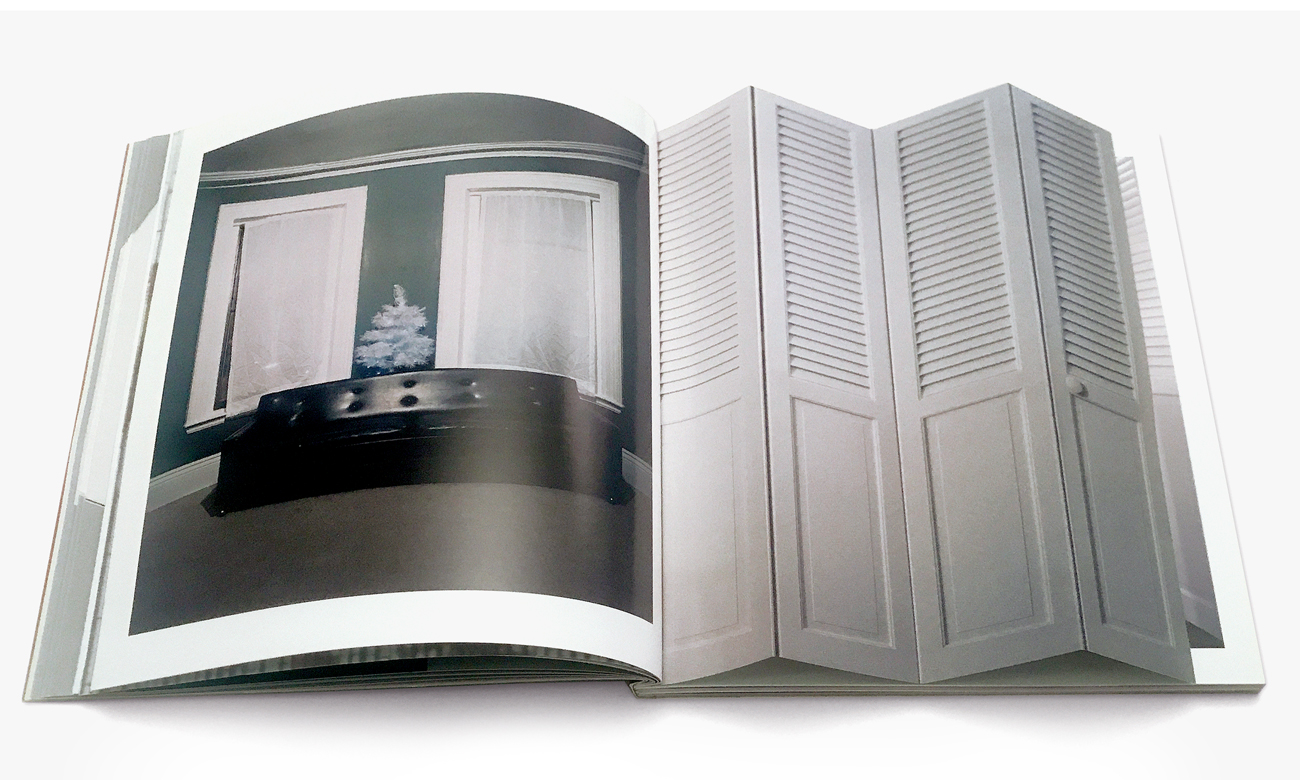
“Esopus magazine is a thing of lavish, eccentric beauty, less flipped through than stared at, forcing readers to reconcile their expectations of what a magazine is with the strange artifact in their laps.”—David Carr, The New York Times
I founded Esopus in 2003 and was its sole editor and designer throughout its 25-issue run. The publication, the main program of the nonprofit Esopus Foundation Ltd., featured a cross-section of creative disciplines presented in a striking visual format with minimal editorial framing and no advertising. This presentation afforded readers the opportunity to access a broad range of cultural expression with minimal interference and attracted and engaged a general audience often unfamiliar with this type of publication. Content for Esopus was selected using 1) an open submissions policy; 2) recommendations and suggestions from the publication’s board of advisors—including respected creative professionals from a wide range of disciplines—as well as from other contributors and colleagues; and 3) my 30 years’ worth of experience in the art, film, and publishing fields of New York City. Esopus sought to invite individuals representing myriad cultural, geographic, and aesthetic backgrounds in order to provide a more comprehensive picture of contemporary creative expression.
Each issue of Esopus included long-form contemporary artists’ projects by established artists (such as Ed Ruscha, Jenny Holzer, and Kerry James Marshall) and emerging figures. Projects took the form of removable posters, booklets, foldouts, and hand-assembled sculptures, and often utilized complex printing processes, unique paper stocks, and specially formulated inks. Issues also presented personal reflections on various creative disciplines by practitioners, including film composer Carter Burwell, novelist Karl Öve Knausgaard, lighting designer Jennifer Tipton, and Mad Men creator Matthew Weiner, among others. In most issues, Esopus offered a portfolio of undiscovered work, from the riveting photographs of Mark Hogancamp to the WWII–era gouache portraits of Holocaust survivor Samuel Varkovitsky. Along with a sampling of short plays, visual essays, film excerpts, poetry, and fiction by never-before-published authors, issues contained installments of several regular series. These included Modern Artifacts, for which undiscovered treasures from the Museum of Modern Art Archives were reproduced in facsimile; Guarded Opinions, which featured museum guards’ commentaries on the art they oversee; and Public Access, co-presented with the New York Public Library and showcasing never-before-seen items from the Library’s storied collections. Each issue of Esopus concluded with a themed audio compilation, for which musicians were invited to contribute a new song based on a particular theme.
Over the course of its 15-year run, Esopus reached approximately 30,000 readers around the world, with subscribers in all 50 states and 24 countries and extensive distribution to bookstores and newsstands throughout the U.S., Canada, Europe, South America, Asia, and the South Pacific. Our readership included professionals from the art, film, theater, music, design, and publishing fields; public libraries, educational institutions, and arts organizations; and general readers who learned about Esopus through reviews and features in The New York Times, The New Yorker, The Atlantic, Harper’s, Munich’s Süddeutsche Zeitung, NPR, and other mainstream venues.
Designing—and Printing—the “Impossible”
With Esopus, my goal as a designer, particularly with the artists’ projects we featured, was to push the boundaries of publishing as much as possible, whether that meant using photochromatic inks, creating pop-up sculptures, or crafting elaborate foldouts. Many of these ideas would have been impossible to execute if it weren’t for Chris Young, the printer’s rep based in Winnipeg with whom I printed every issue of Esopus (and nearly every publication I’ve designed since then). Chris nearly always came up with a solution—manageable for us both financially and logistically—to every challenge I presented to him during the production process. He and I discussed a number of these challenges at an event connected to A Lot More Inside: Esopus Magazine, the 2024 exhibition devoted to the Esopus archive at the Colby College Museum of Art.